

In our previous dispatch, we dissected the “functional alibi“—the industry’s clever trick of using high-performance specs to justify the luxury price of a “ruined” cotton tee. But gear is only half the battle in the era of the “Performancer”. In 2026, the visceral sting of a morning run is secondary to its digital ghost. If a run isn’t uploaded, analyzed, and “kudoed,” did it even happen?
Strava has become the indisputable cathedral of this social ritual, a place where the “cultural runner” seeks validation. While countless giants—Nike+ Run Club, Adidas Running (Runtastic), and Under Armour (MapMyRun)—attempted to monetize the social side of stats, they largely failed to capture the tribal gravity of the orange feed. Yet, a paradox is emerging: Strava’s premium tier arguably adds nothing that device ecosystems like Garmin Connect or Coros Training Hub don’t already provide for free.
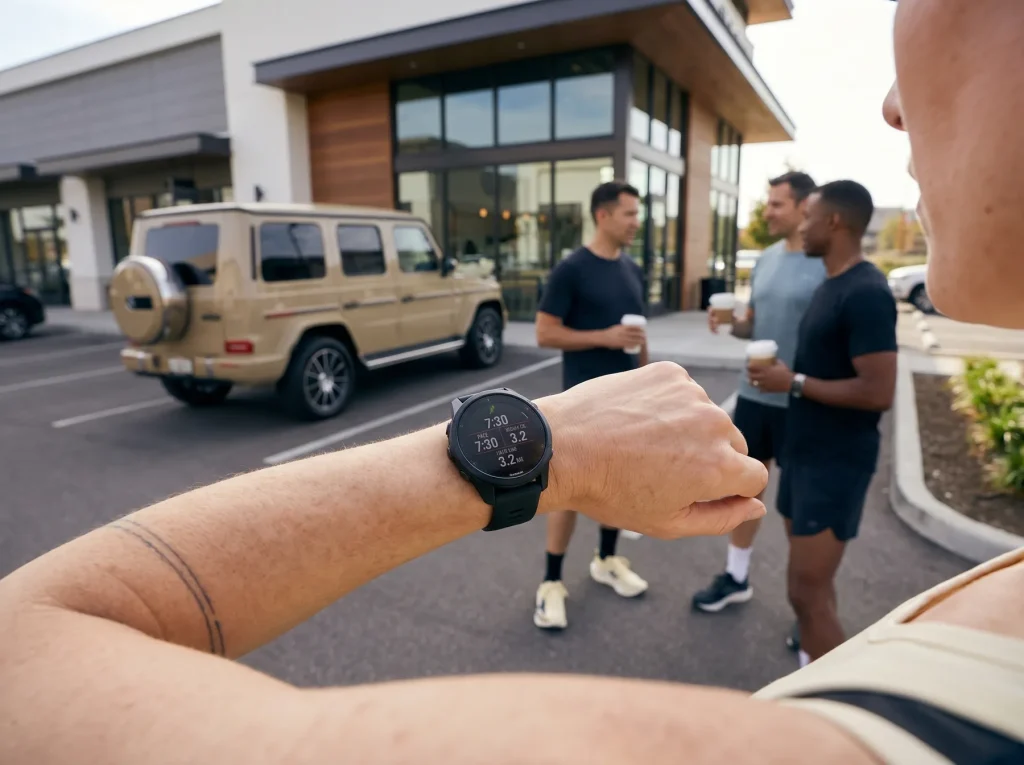
The Posing Tax: Why Are You Still There?
If Strava is raising subscription prices while offering stagnant “premium” value, and simultaneously harvesting your biometric data to be processed and sold, why do you stay? The answer is simple: Posing. Strava is the stage for the “esoteric art movement” that running has become. It is no longer about the data; it is about the curated life.
For the power user, the betrayal is deeper. You are paying for a social feed while your watch manufacturer—be it Garmin, Coros, or Suunto—is already giving you the “real” deep-dive data for $0.
Beyond the “G-Wagon” Wrist: Real Tools for Real Runners
In the streets of the “New Run Movement” one should only have eyes for the:
Garmin Fenix 8 Pro MicroLED (1,449.99 USD) or a probably more sophisticated piece of hardware AppleWatchUltra 3 (899 USD) that due to poor battery life and apple’s ecosystem can put a “lamer” post over your head in some environments.
Both have become the status symbols of choice—the “G-Wagons” of the wrist. They are magnificent machines, but for many, they are merely “wearable gallery passes”.
If you want to avoid “New Run Movement Exclusion” without paying the luxury tax, you need a device that is data-accurate, Strava-compatible, and respects your bank account.
You don’t need a titanium bezel to track a threshold run; you need a reliable sensor and a seamless sync.
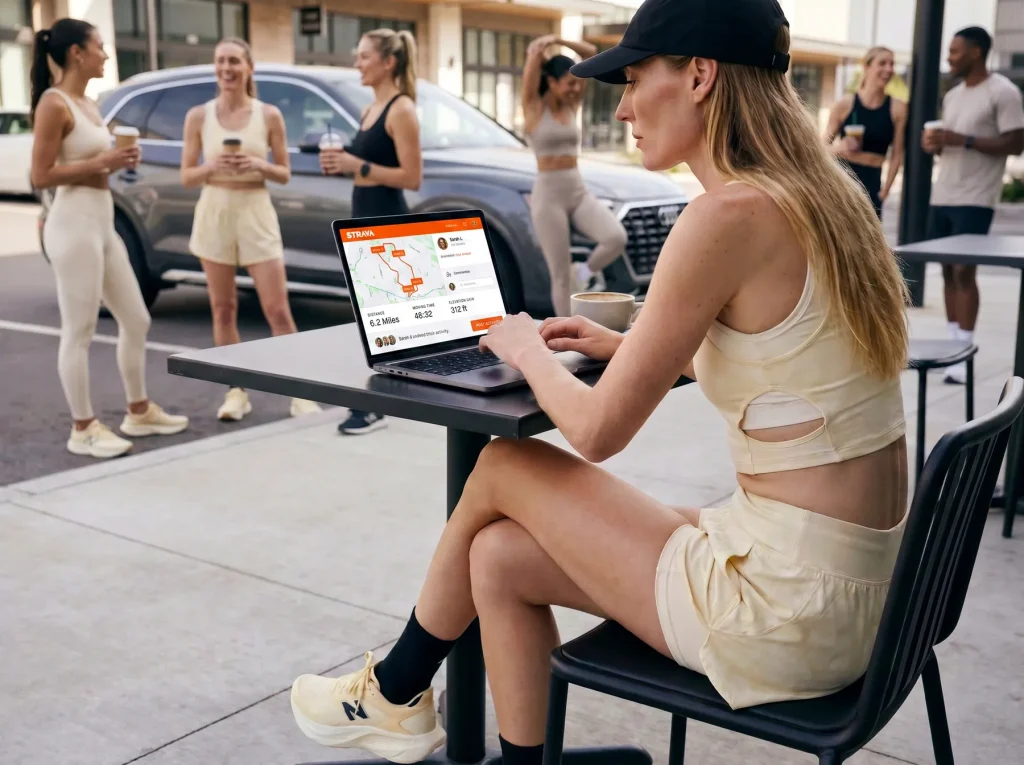
Our Shortlist: Best Value-for-Money Devices
Based on recent lab tests and community feedback, these are the smartest entries into the digital run culture that prioritize utility over vanity:
- Best Battery for the Price: Coros Pace 4 ($249) This is the ultimate minimalist tool. It weighs just 1.1 ounces and offers a staggering 40 hours of GPS battery life—double its competitors at this price point. It provides a full training suite with no subscription fees. For many the Coros Trainig Hub is the best software, but remember you are not here to sweat.
- Best on a Tight Budget: Garmin Vivoactive 6 ($300) If you need a “lifestyle” bridge, this is the most capable Garmin without the premium price. It includes real-time pacing and running form guidance—features once reserved for flagship models.
- The “Bang for Your Buck” King: Coros Apex 4 ($479) For half the cost of a flagship, you get a titanium case, sapphire glass, and full offline maps. It is a legitimate training tool that refuses to charge you for the luxury of a brand name.
- The “Underground” Secret: Second-Hand Garmin Forerunner 35/45 For the true “old fashion” enthusiast, a used Forerunner 35 is the ultimate budget move. It’s a reliable, no-frills workhorse that syncs perfectly with Strava and handles everything from daily jogs to Spartans if you add a screen protector.
Running is fashionable but sometimes first comers get attracted by another new trend and they need to sell some assets to keep investing. The second hand market is full of low life devices. Beware of scammers and those who don’t understand depreciation.
The missing ones and the new contenders
Decathlon’s Kiprun watches were rebranded old versions of COROS watches that shared App and Training Hub. Sadly they are not on stock anymore. Maybe you will be able to find the last units on stores. They were absolute performers for a fraction of the price.
AMAZFIT Range
This company has been on the media cited as Garmin / XXX brand top of the line GPS watch killer. Personally the quality of the product, the materials and basically all the hardware is on par. On the past the software (both in the device) and in the computer / App wasn’t as good. A caveat if you need real data and lots of options to improve but the vital aspect – Strava uploading – has been solved in lates Zepp App versions.
Amazfit T-Rex 3 (299 USD) With Hyrox (for the Hybrid Athlete)
The Amazfit T-Rex 3 is explicitly confirmed as a viable option in the 2026 gear reviews.
- Strava Compatibility: It uses the Zepp App as its main software, which is marked as fully compatible with other software ecosystems, including Strava.
- Performance: It is noted for providing exceptional value, featuring a durable build, a good AMOLED screen, and a measured GPS battery life of 40 hours.
- Verdict: It is a high-value, “adventure-ready” package, though some may find the case size too large. So girls stay away from the Rex series.
Next Article: How to look great using (and paying) the absolute least.