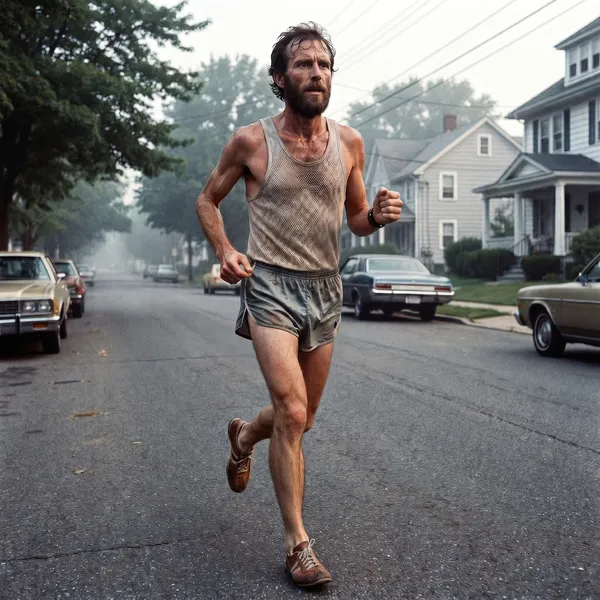
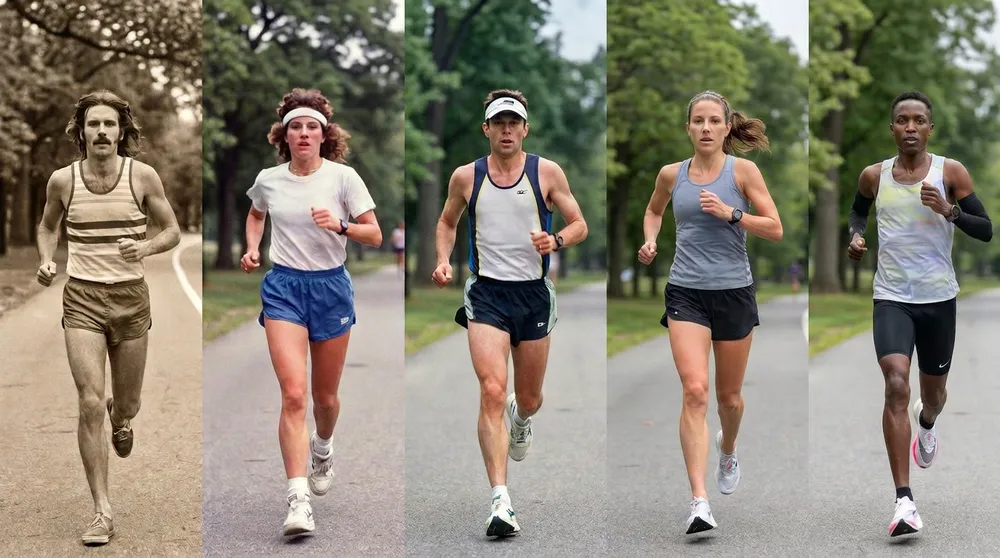

The day that the Boston Marathon loses its traditional amateur yet highly professional organising committee and the qualifying process changes to an entry ballot like all the other major marathons, the real marathon enthusiast will cry.
The oldest and arguably most important marathon on the planet is the only one that still shows respect for amateur athletes who train for the distance with passion.
Now, running is more of a social activity exploited by sports and non-sports brands, and social media and influencers have taken it to the verge of prostitution. Major marathons have increased their prices because demand far exceeds supply. There are VIP entries, sponsor-allocated bids that often go to influencers who then jog while filming a ‘dramatisation’ of a ‘race’, and bids allocated via sports travel agencies with prices that make them only accessible to the wealthy.
But beneath this glossy, commercialized surface, a quiet tragedy is unfolding. The dedicated amateur—the runner who bleeds for their training blocks, who sacrifices weekends, and who pushes their body to the absolute limit—is being locked out of the very races they revere.
Here is how the marathon running boom has altered the sport, and why the Boston Marathon qualifying (BQ) system remains the last wall of resistance for those who run for themselves, not for the algorithm.
The Marathon Running Boom: From Grit to Global Commodity
Running used to be a solitary pursuit of physical and mental endurance. Today, it is a multi-billion-dollar lifestyle industry. The “new boom” of running has brought incredible innovations—from carbon-plated super shoes to advanced biomechanical tracking—but it has also fundamentally changed the perception of the sport.
According to a comprehensive report by Outside Magazine on the commercialization of running, the influx of corporate money has transformed running from a grassroots hobby into a highly lucrative marketing channel. Brands no longer just sponsor the elite; they sponsor the “relatable” mid-pack runner with a massive following.
This shift has created a two-tiered running world:
- The Purists: Those who run for personal achievement, health, and the sheer love of the distance.
- The Content Creators: Those who view the marathon as a backdrop for brand integration and social media clout.
As highlighted in The Guardian’s analysis of the running boom, the sport’s explosion in popularity has been heavily driven by social media. While this has encouraged millions to lace up their shoes, it has also diluted the competitive integrity of major events.

The Influencer Effect: How Social Media Altered the Race Experience
Walk through the expo of any major marathon today, and you will see the physical manifestation of this shift. The focus has moved from the starting corral to the VIP lounges.
The integration of influencers into major marathons has altered the running scene in ways that alienate the core running community. When a major marathon allocates hundreds of guaranteed entries to a sports brand, those entries rarely go to the fastest amateurs. Instead, they go to individuals tasked with creating “content.”
- The “Dramatisation” of the Race: Instead of racing, many allocated runners are instructed to stop at scenic viewpoints, film their “struggle,” and promote a product, turning a 26.2-mile physical test into a moving photoshoot.
- The Illusion of Elite Status: Social media creates an illusion that anyone with a sponsor deal is an elite athlete, blurring the lines for the general public between actual sub-elite performance and paid promotion.
- Strava and the Validation Trap: As explored in Wired’s deep dive into Strava and running culture, the gamification of running has shifted the focus from internal satisfaction to external validation, feeding the influencer economy.
For the amateur athlete who trains 15 hours a week to run one or two marathons at their maximum potential, watching someone with a fraction of their mileage secure a guaranteed entry via an Instagram following is deeply demoralizing.
Locked Out: The Plight of the Dedicated Amateur
The most heartbreaking reality of the modern marathon boom is the exclusion of the dedicated amateur. Let’s look at the economics of major marathon entries today.
Because demand far exceeds supply, race directors have turned to lotteries and high-priced allocations to manage the crowds.
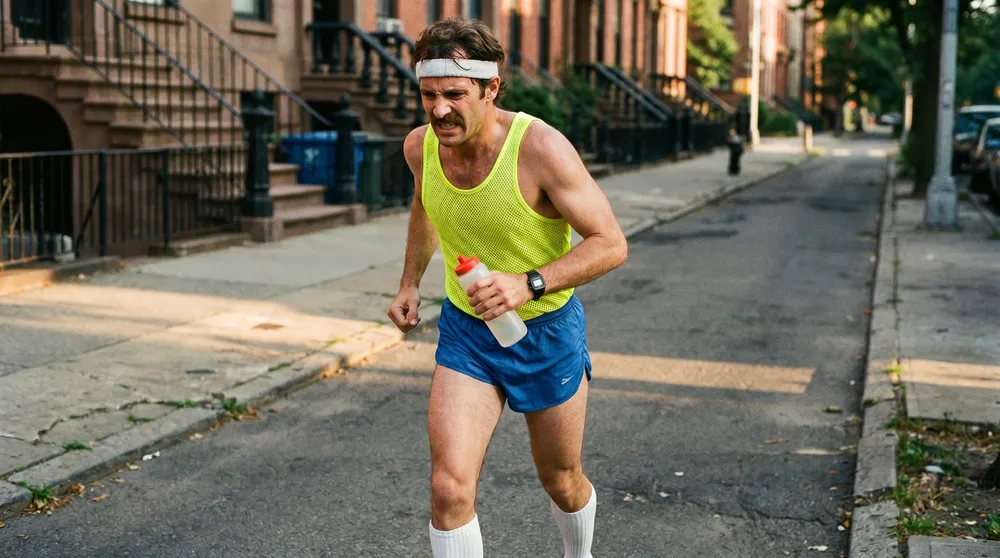
- The Lottery Illusion: Marathons like New York, London, and Chicago boast acceptance rates of less than 5% to 15% in their general lotteries.
- The Travel Agency Monopoly: International runners are often forced to use official sports travel agencies. These packages, which guarantee entry, can cost anywhere from $3,000 to over $8,000, pricing out the middle-class amateur.
- Charity and VIP Bids: Race directors allocate thousands of entries to charities and VIPs. While charity running is noble, it means thousands of spots are taken by people who may not meet the basic time standards of the race, simply because they can raise funds or pay a premium.
A recent investigative piece by LetsRun.com on marathon entry lotteries and guaranteed entries highlights how the average, hard-training runner is being systematically priced out of the World Marathon Majors. The near sub-elite runner—who might run a 2:45 marathon but doesn’t have a corporate sponsor or $5,000 to spend on a travel package—is left to pray to the lottery gods year after year.
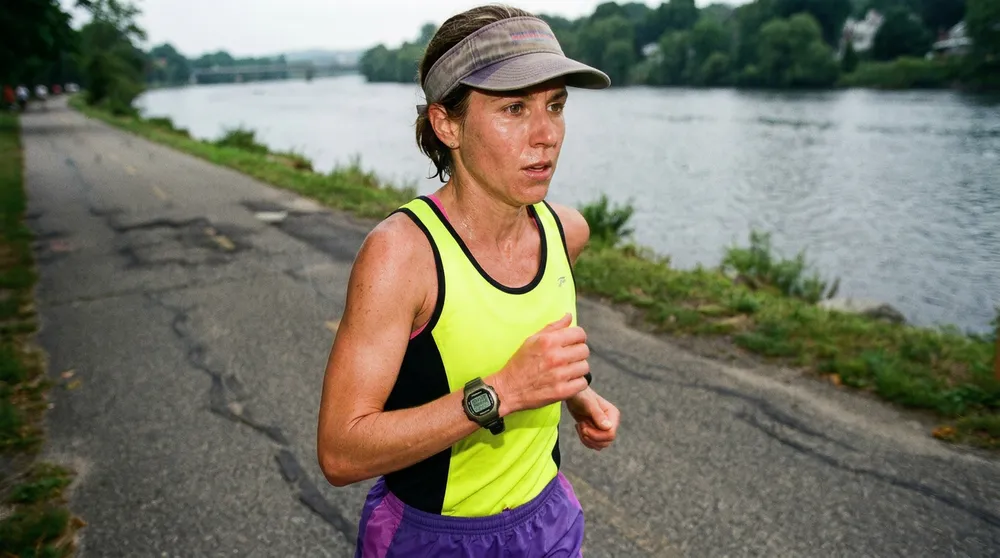
The Boston Qualifying (BQ): The Last Wall of Resistance
This brings us to Boston.
In an era where your bank account or your follower count can buy you a spot in London or New York, the Boston Marathon stands as a glorious, stubborn anomaly. It is the last wall of resistance for those who run for themselves.
To run Boston, you cannot simply buy a travel package. You cannot rely on a brand sponsor to get you in. You cannot win a charity bib unless you are actually raising the money (and even then, the BAA maintains strict standards).
You have to earn it on the clock.
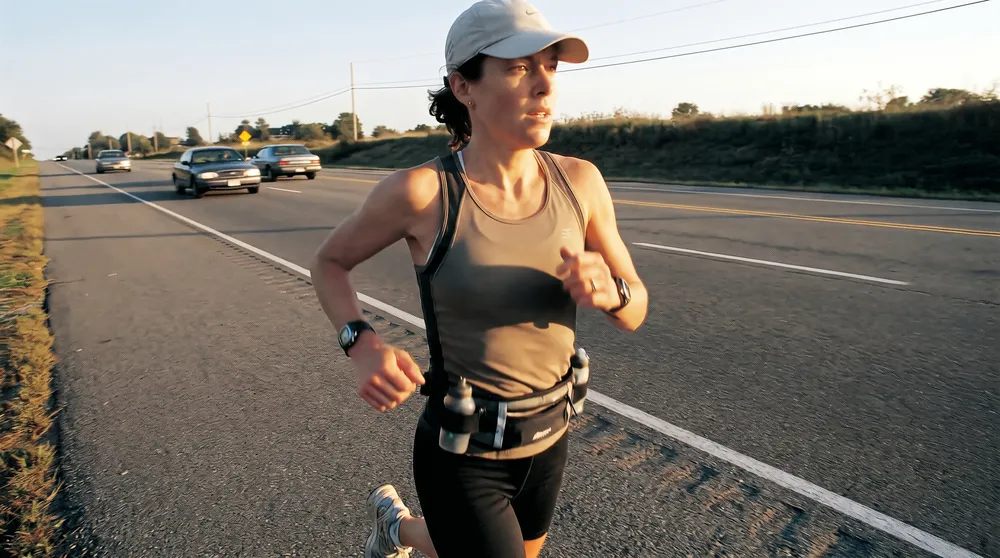
Why the BQ System is the Ultimate Meritocracy
The Boston Athletic Association (BAA) requires runners to achieve a specific time standard at a certified marathon, based on their age and gender. But because so many runners achieve the standard, the BAA implements a “cut-off” time. You don’t just have to meet the standard; you have to beat it by a margin fast enough to be accepted before the fields fill up.
- It respects the grind: A BQ represents months of grueling, unglamorous training. It represents early mornings, missed social events, and pushing through the “wall.”
- It is blind to wealth and fame: The BAA does not care if you are a CEO, a social media influencer with a million followers, or a high school teacher. If you don’t run the time, you don’t get in.
- It protects the race’s soul: As noted in Runner’s World’s guide to the prestige of the Boston Qualifier, the BQ is widely considered the most prestigious achievement in amateur running precisely because it cannot be bought.
When the running community talks about the “purity” of the sport, they are talking about the Boston Qualifying standard. It is the ultimate filter that keeps the social media show-offs and the casual joggers out of the race, ensuring that when you line up on Hopkinton’s Main Street, you are surrounded by people who share your exact level of dedication.
Preserving the Future of Amateur Running
The marathon running boom is not inherently bad; it is wonderful that more people are embracing the sport. However, the commercialization and influencer-driven culture threaten to strip the marathon of its core identity: a pure test of human endurance.
As amateur runners, near sub-elites, and marathon purists, we must push back. We must support races that prioritize merit over money, and we must continue to chase the ultimate prize in amateur running: the Boston Qualifier.
If the Boston Marathon ever succumbs to the pressure and changes to a pure entry ballot, we will have lost the last great sanctuary of the amateur athlete. Until that day comes, lace up your shoes, ignore the influencers, and go chase your BQ. The clock doesn’t care about your follower count.